
While our general choices in appearance are made to influence how others see us, studies show that what we wear also influences our cognitive behavior. A Northwestern study by Hajo Adam and Adam Galinsky explored how people react psychologically to wearing certain articles of clothing and determined that worker performance is influenced by how they associate with what they wear. That being said, how do food workers associate with their PPE?
Full story
The site navigation utilizes arrow, enter, escape, and space bar key commands. Left and right arrows move across top level links and expand / close menus in sub levels. Up and Down arrows will open main level menus and toggle through sub tier links. Enter and space open menus and escape closes them as well. Tab will move on to the next part of the site rather than go through menu items.
-
- Nov 6, 2024, 12:03 AM
-

-
- Oct 2, 2024, 04:29 PM
-
Protecting EV Technicians: The Crucial Role of Electrical Hazard PPE

Protecting EV Technicians: The Crucial Role of Electrical Hazard PPE
Understand the vital PPE requirements for ensuring safety of technicians in the fast-growing electric vehicle sector and stay protected with Enespro.
Full story -
- Sep 11, 2024, 12:02 AM
-
Essential Elements of Respirator Selection
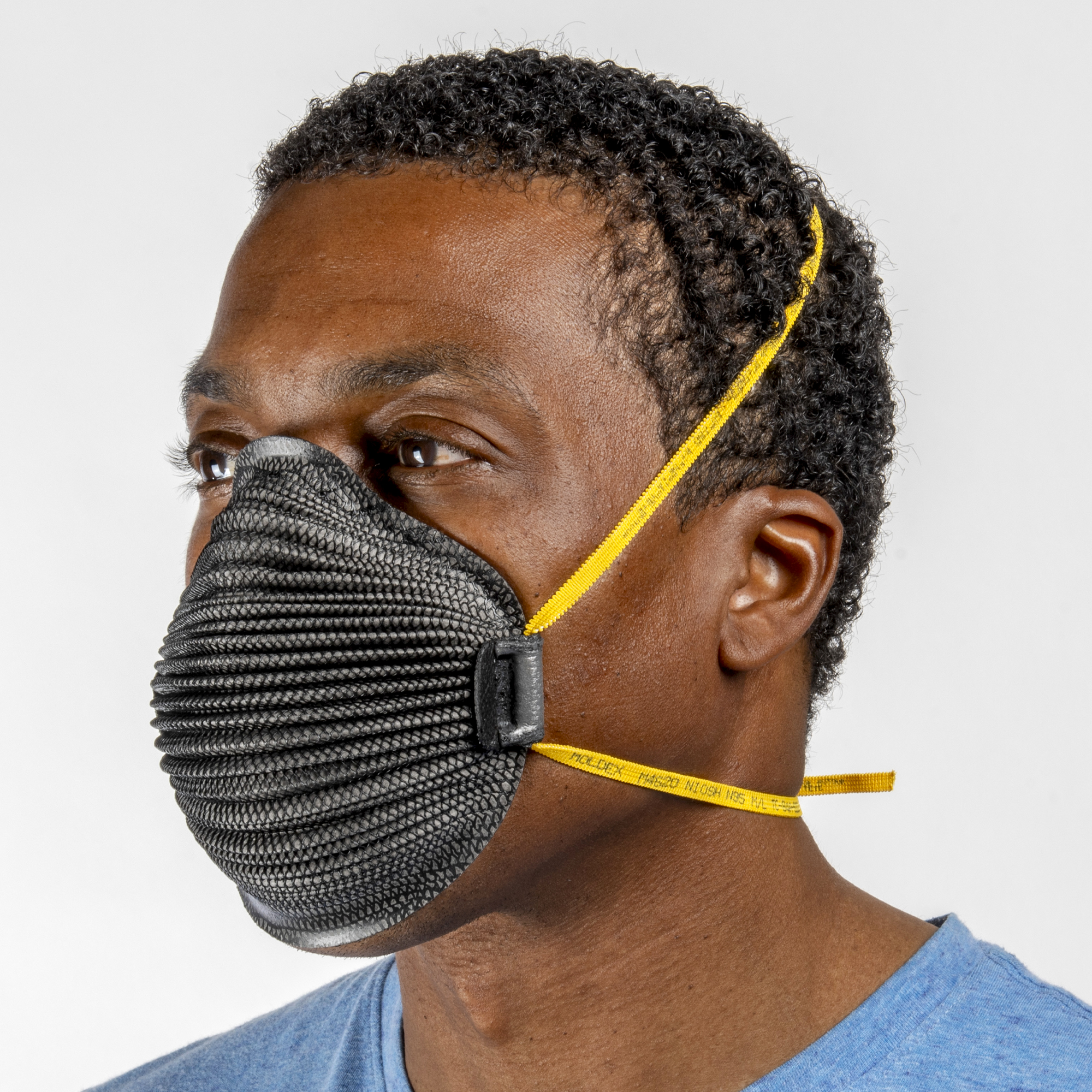
Essential Elements of Respirator Selection
Millions of workers across the U.S. reply on respiratory protection to keep them safe on the job. OSHA 29 CFR 1910.134 requires employers to establish and maintain a written respiratory program to protect their employees who wear respirators. Additionally, the proper selection of respirators must be made according to the guidance of ANSI Z88.2. This blog article outlines and simplifies the steps to selecting the right equipment.
Full story -
- Aug 8, 2024, 10:39 AM
-
The Latest in Dropped Objects Prevention: ANSI/ISEA 121-2023 Standard Update is Released
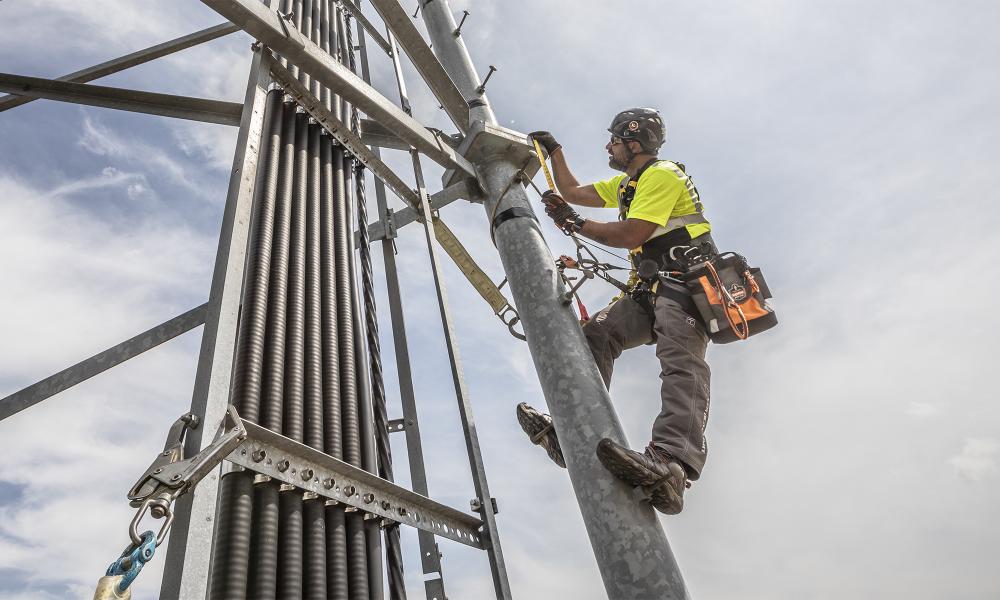
The Latest in Dropped Objects Prevention: ANSI/ISEA 121-2023 Standard Update is Released
Ensure your team's safety with the latest standard in dropped object prevention. This essential standard helps keep everyone protected and promotes a safer workplace culture. Stay ahead in the industry by staying compliant and safeguarding your workplace.
Full story -
- Jul 10, 2024, 11:16 AM
-

Key Considerations When Selecting PPE For Warm Weather
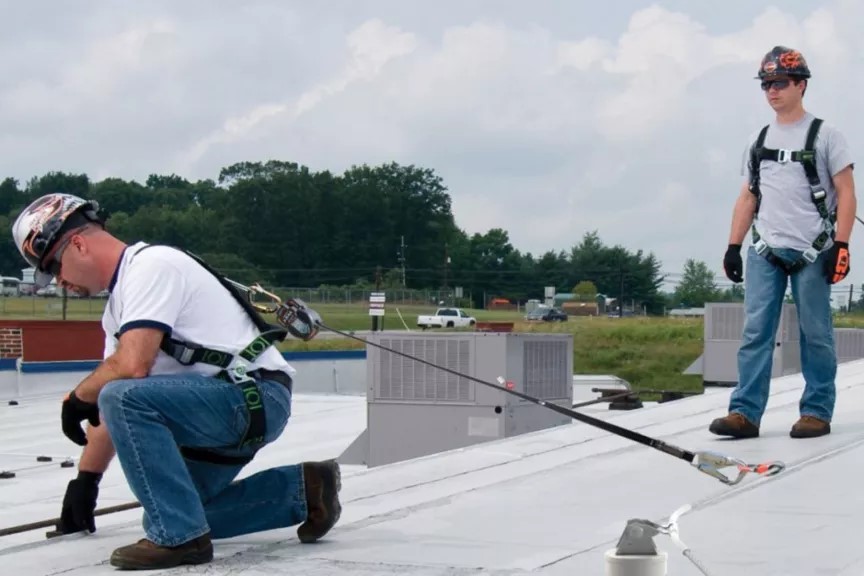
Key Considerations When Selecting PPE For Warm Weather
Honeywell is focusing on making PPE as lightweight and breathable as possible, to increase comfort for the wearer and compliance level on job sites during the summer months. Read our expert’s recommendations for employers looking into PPE for warmer weather for their crews. As the hot days of summer months bear down, finding the right Personal Protective Equipment (PPE) for your workers goes a long way in ensuring their safety, good health, and comfort.
Full story -
- Jun 4, 2024, 09:53 PM
-

How Choosing the Right Eye Protection Can Help Workers Achieve Comfort and Compliance

How Choosing the Right Eye Protection Can Help Workers Achieve Comfort and Compliance
See more about how different types of protective eyewear models can not only help protect workers but may also increase the comfort level.
Full story -
- May 1, 2024, 12:01 AM
-

What is the Wear Life of Electrical PPE?
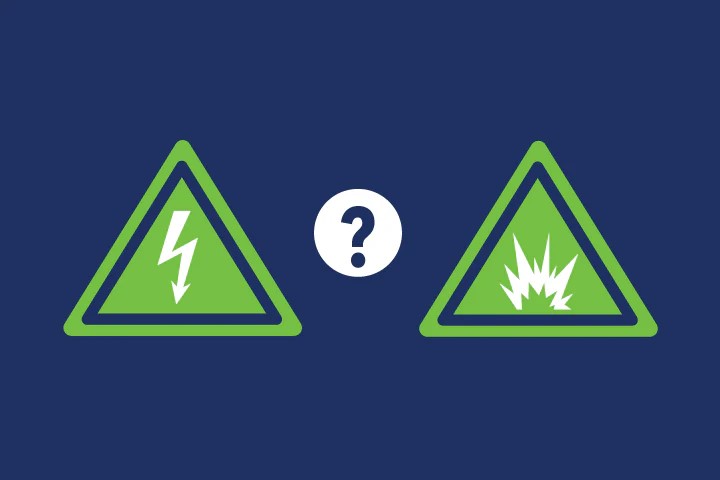
What is the Wear Life of Electrical PPE?
When it comes to electrical safety PPE, you need to know if the hazard they’re asking about is electrical shock, arc flash or both. If it’s related to shock, the tests required by the standards will help answer most of the questions for you. Arc flash is not as cut-and-dried and, although the standards provide some guidance, safety professionals typically must use their best judgement. There are also two distinctly different categories this question falls into. One is related to safety and the other involves the financial impact.
Full story -
- Apr 3, 2024, 10:00 AM
-

Hidden Explosive Environments: What are the Dangers and How Can They be Avoided?
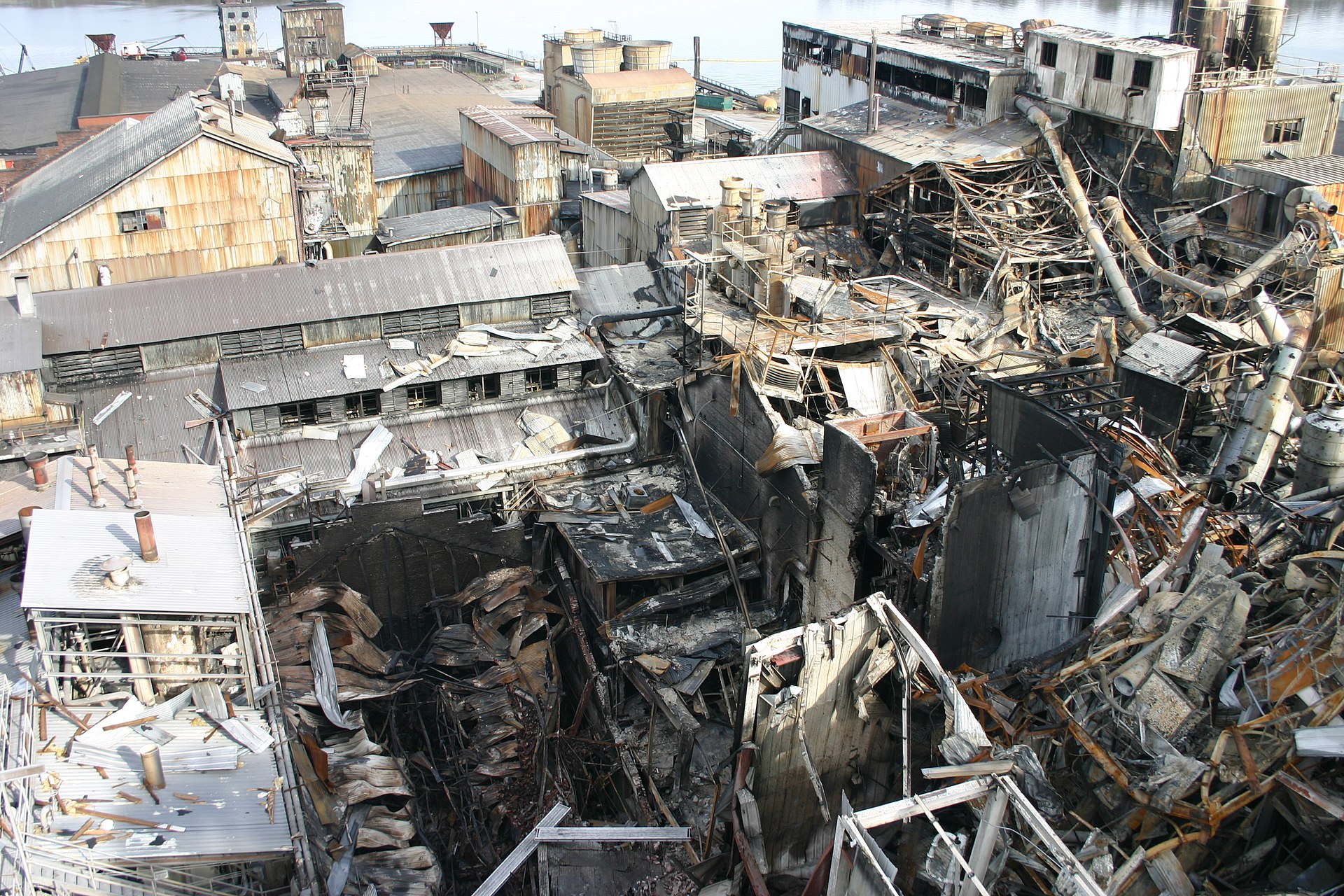
Hidden Explosive Environments: What are the Dangers and How Can They be Avoided?
It is essential to understand all the conditions that can create explosive environments. While many workplaces might seem safe, there could be hidden dangers that require the proper equipment to enter them safely.
Full story -
- Mar 13, 2024, 11:12 AM
-

Safety Cabinets: Why Do You Need Them and Are You Compliant?
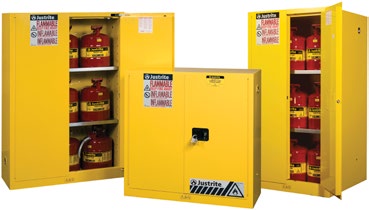
Safety Cabinets: Why Do You Need Them and Are You Compliant?
Protect workers, reduce fire risks, and improve productivity by storing flammable fuels and chemicals in code-compliant flammable storage safety cabinets.
Full story -
- Feb 21, 2024, 12:45 PM
-

Fall Protection Safety Tip: Are You Prepared in the Case of a Fallen Worker?

Fall Protection Safety Tip: Are You Prepared in the Case of a Fallen Worker?
Equipping harnesses with suspension trauma safety straps is an easy and effective way to help delay and possibly help prevent the onset of negative symptoms brought on by orthostatic intolerance resulting from a fall from height while in a full-body harness.
Full story -
- Jan 31, 2024, 12:17 PM
-

Arc Flash Gloves vs. Rubber Insulated Electrical Gloves: What’s the Difference and Which One Should I Use?
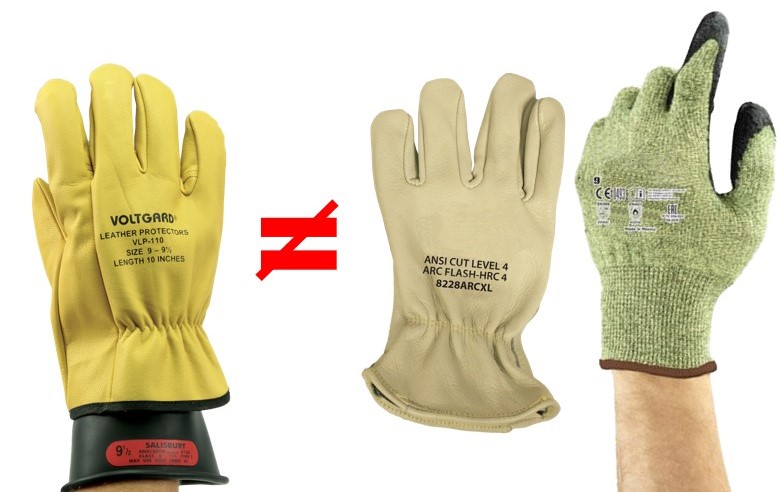
Arc Flash Gloves vs. Rubber Insulated Electrical Gloves: What’s the Difference and Which One Should I Use?
There are a lot of gloves on the market that are arc flash tested and designed for arc flash but are not voltage rated. This has caused confusion in the marketplace as to differences between arc flash gloves and rubber insulated electrical gloves. While often lumped into a general category known as “arc flash gloves”, there are big differences that need to be clearly understood.
Full story -
- Jan 9, 2024, 02:50 PM
-
Cold Work Gloves: How to Fight Frostbite with Specialized Protection
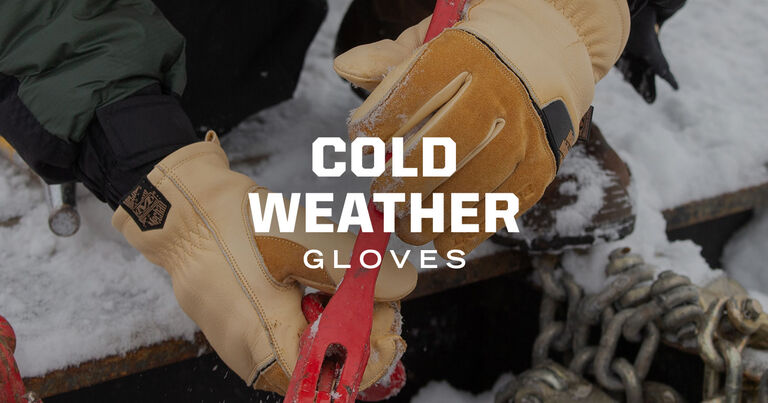
Cold Work Gloves: How to Fight Frostbite with Specialized Protection
Cold work gloves protect the wearer from real physical harm when working in a cold environment with exposure to cold surfaces or cold or freezing products.
Full story -
- Nov 29, 2023, 03:20 PM
-
Understanding the Dangers of Cold Stress

Understanding the Dangers of Cold Stress
Protect workers from hazardous cold weather-related injuries and illnesses. Learn about symptoms of and solutions for frostbite, hypothermia, and more.
Full story -
- Nov 9, 2023, 12:27 PM
-

OSHA Top 10 Violations Cited for FY 2022 – Why is This List Important?
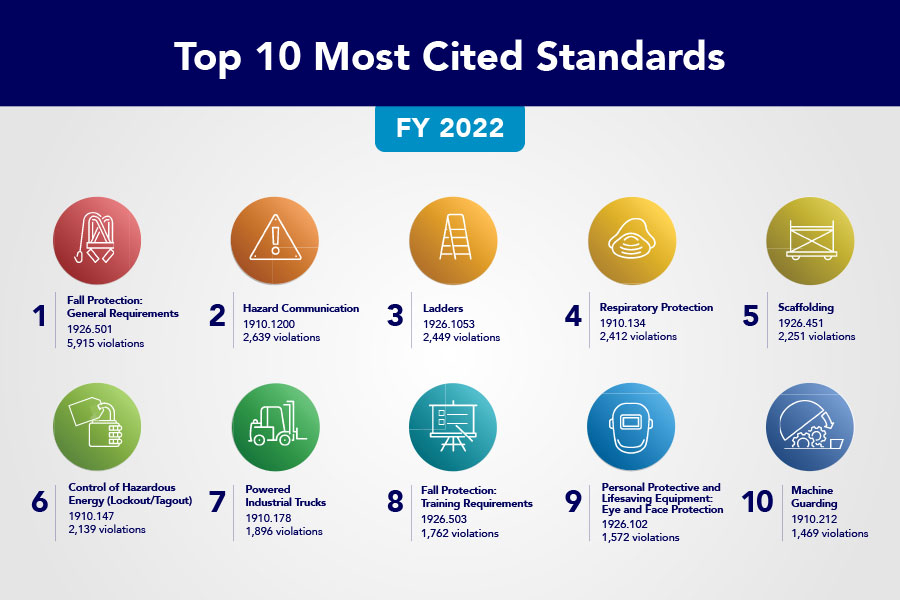
OSHA Top 10 Violations Cited for FY 2022 – Why is This List Important?
The Occupational Safety and Health Administration (OSHA) compiles and shares data annually to alert employers about commonly cited standards on a federal level. State OSHA agencies may compile their own lists. What do these all mean for you, your employer, and your company?
Full story -
- Oct 18, 2023, 12:02 AM
-
Should You DC Test Your Rubber Insulating Gloves?
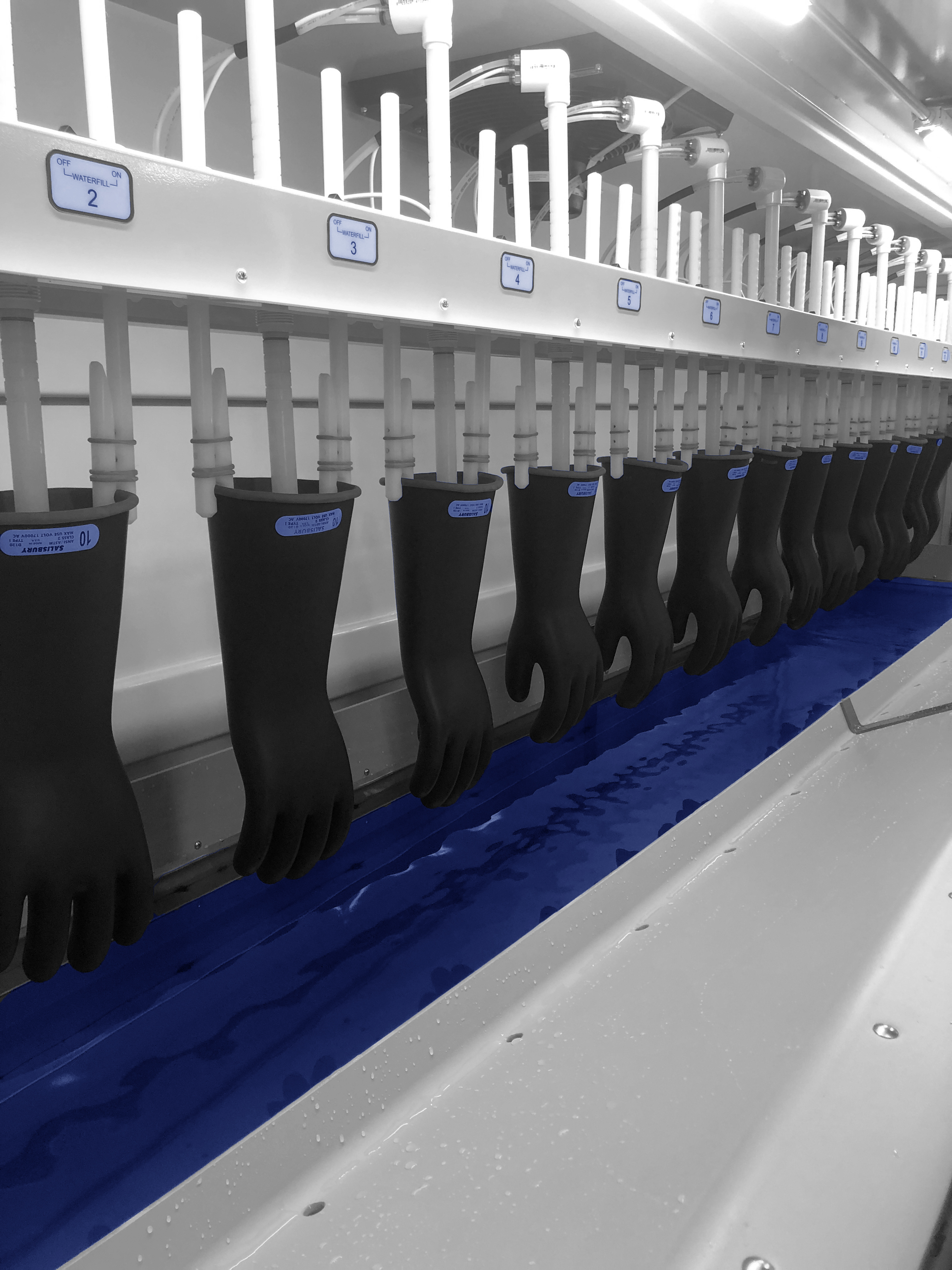
Should You DC Test Your Rubber Insulating Gloves?
The exponential growth in renewable power generation (wind and solar particularly) as well as electric vehicles (EV), both fully electric and plug-in hybrid, adds additional hazards and risks to the manufacture and servicing of these vehicles. Of increasing interest is the “test it as you use it” approach. While AC is the primary method of electrical testing, the ASTM Specifications for Electrical Protective Equipment for Workers do include both AC and DC test voltages and maximum use voltages for safety. Therefore, it makes sense to DC test electrical gloves for use in applications or environments where there is exposure to DC energized circuits and equipment.
Full story -
- Sep 25, 2023, 12:33 PM
-
Workplace Safety is a Team Sport
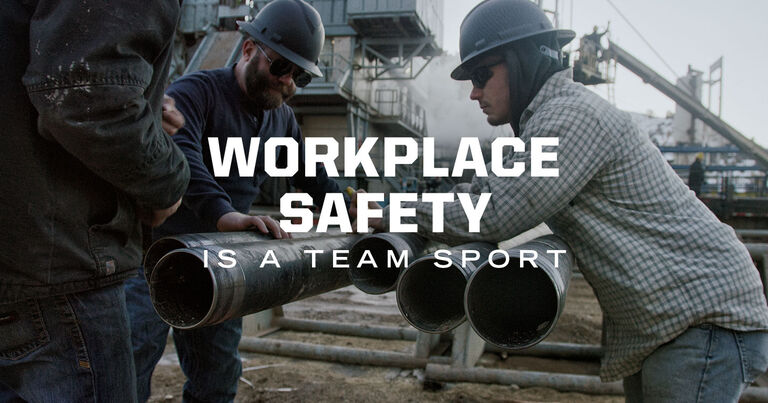
Workplace Safety is a Team Sport
Safety is everyone’s responsibility. In this post, we look at each level of the organization and their respective contributions to the safety of both the individual and the industry as a whole.
Full story -
- Sep 6, 2023, 02:45 PM
-

Six Reasons Your Workplace Needs an AED
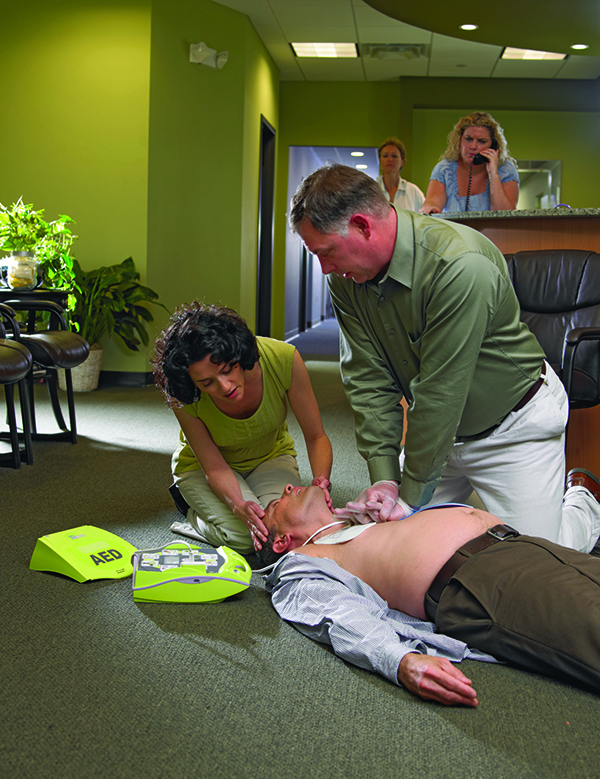
Six Reasons Your Workplace Needs an AED
Out-Of-Hospital Cardiac Arrest (OHSCA) is responsible for approximately 350,000 deaths in the U.S. annually and is responsible for twice as many fatalities than all other workplace injuries combined. You don’t need to be a professional rescuer to help a SCA victim while waiting for emergency services to arrive. The victim’s best chance of survival is immediate CPR and a rescuer with an AED.
Full story -
- Aug 15, 2023, 12:45 PM
-
Are Your Workers Protected? 3M™ E-A-Rfit™ Dual-Ear Validation System - Right Fit Test, Right Now

Are Your Workers Protected? 3M™ E-A-Rfit™ Dual-Ear Validation System - Right Fit Test, Right Now
Do you know what level of protection your employees are receiving from their hearing protectors? Now you can with a field attenuation estimation system (FAES). FAES is a quantitative method for individual fit testing hearing protection devices (HPDs). This blog describes the 3M™ E-A-Rfit™ Dual-Ear Validation System and the value it can provide for your hearing loss prevention program (HLPP).
Full story -
- Jul 26, 2023, 10:36 AM
-
Eliminating Confusion When It Comes to Working with Voltage-Rated Gloves & Leather Protectors to Protect Against Electric Shock
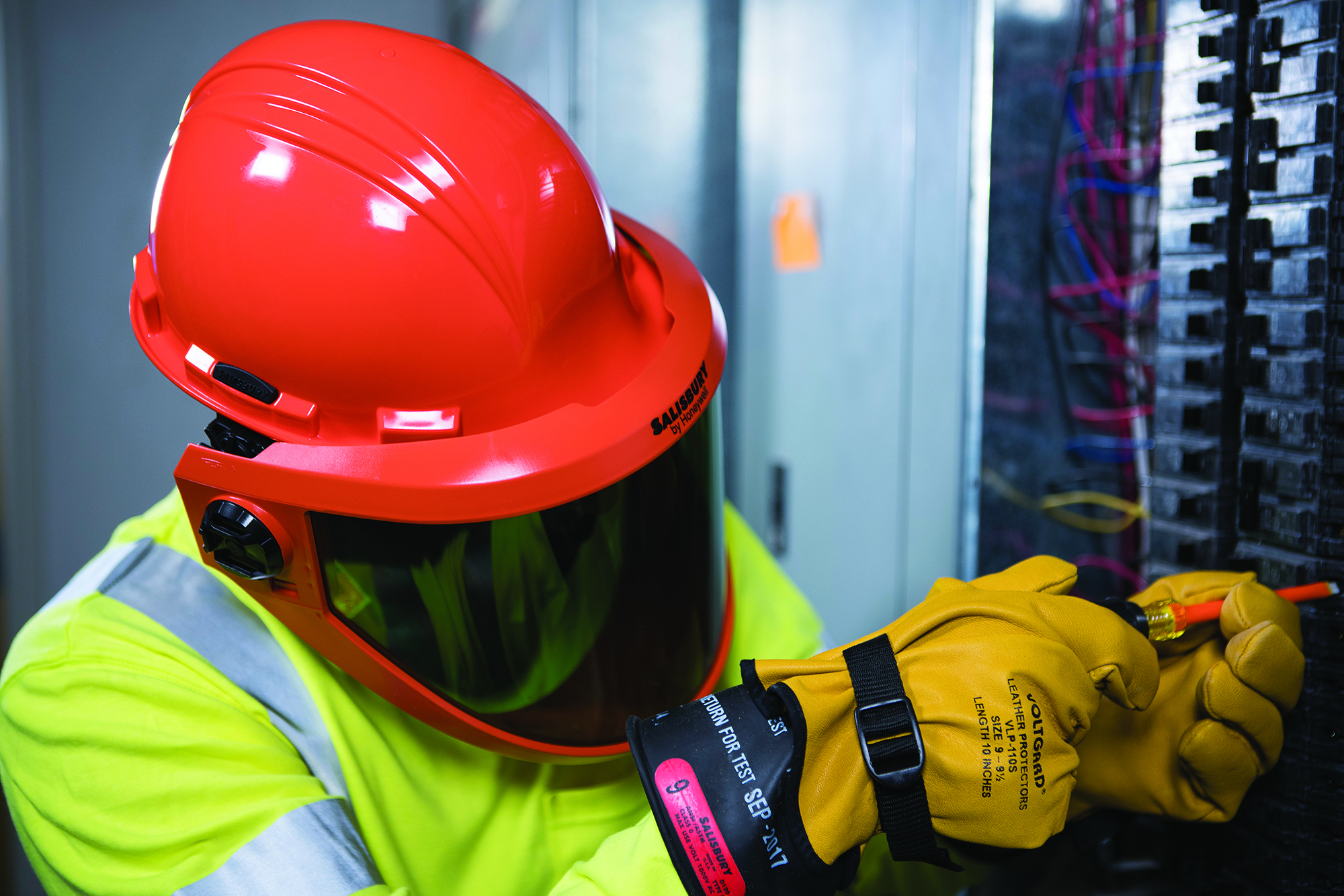
Eliminating Confusion When It Comes to Working with Voltage-Rated Gloves & Leather Protectors to Protect Against Electric Shock
Voltage-rated gloves and leather protectors are a worker’s first line of defense against electrical shock, but there continues to be industry-wide confusion around the usage of these two products as a system for optimal protection against electrical shock.
Full story -
- Jul 5, 2023, 11:13 AM
-

Navigating the Complex World of Flame-Resistant Apparel
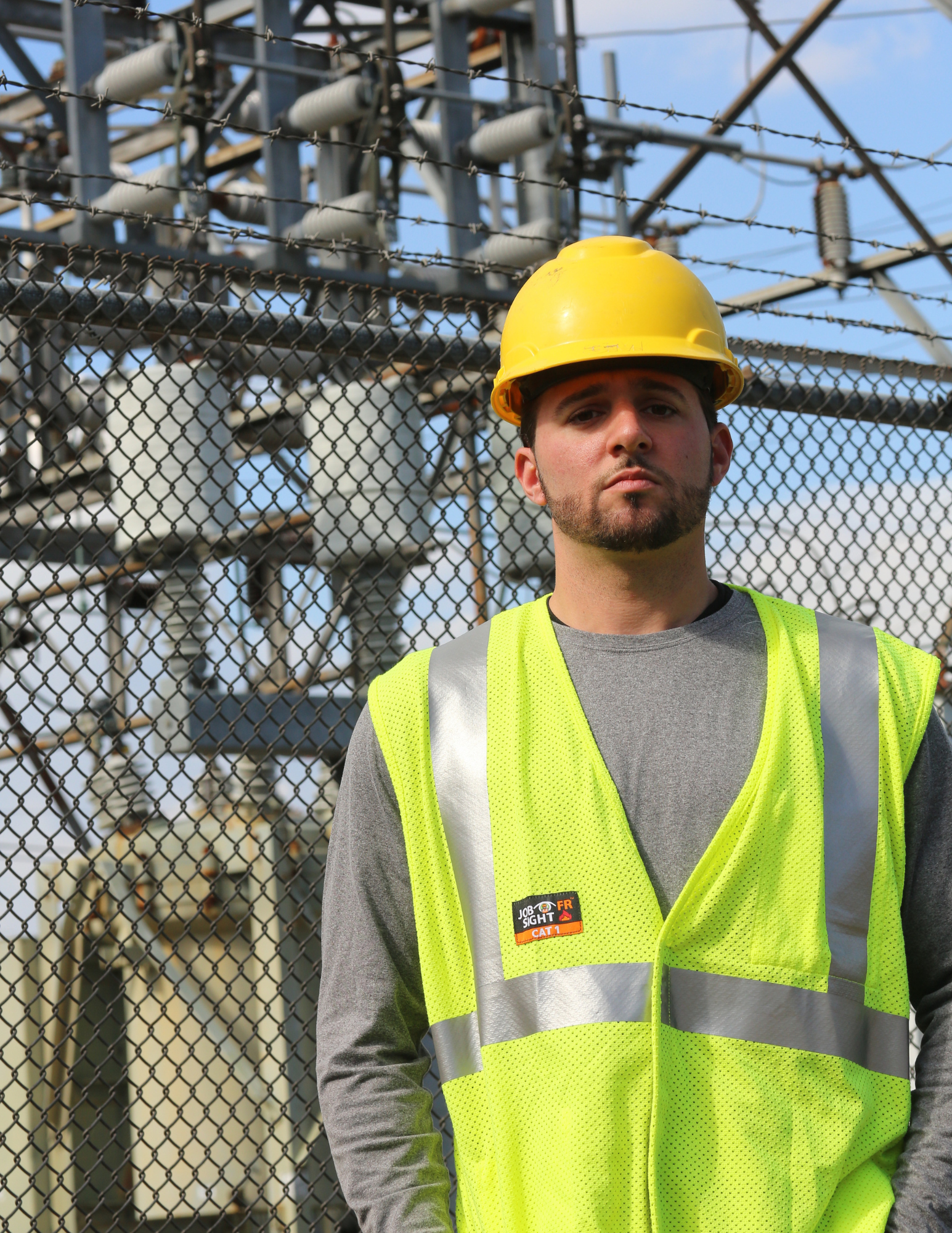
Navigating the Complex World of Flame-Resistant Apparel
Flame-resistant (FR) apparel is crucial for workers in a variety of industries. As technology and fabrics have evolved, so has the ability to offer work apparel that can provide greater protection from work hazards than ever before.
Full story