
Electrical Safety Starts Here: Key Workplace Safety Tips for NESM
- May 15, 2026, 09:55 AM
-

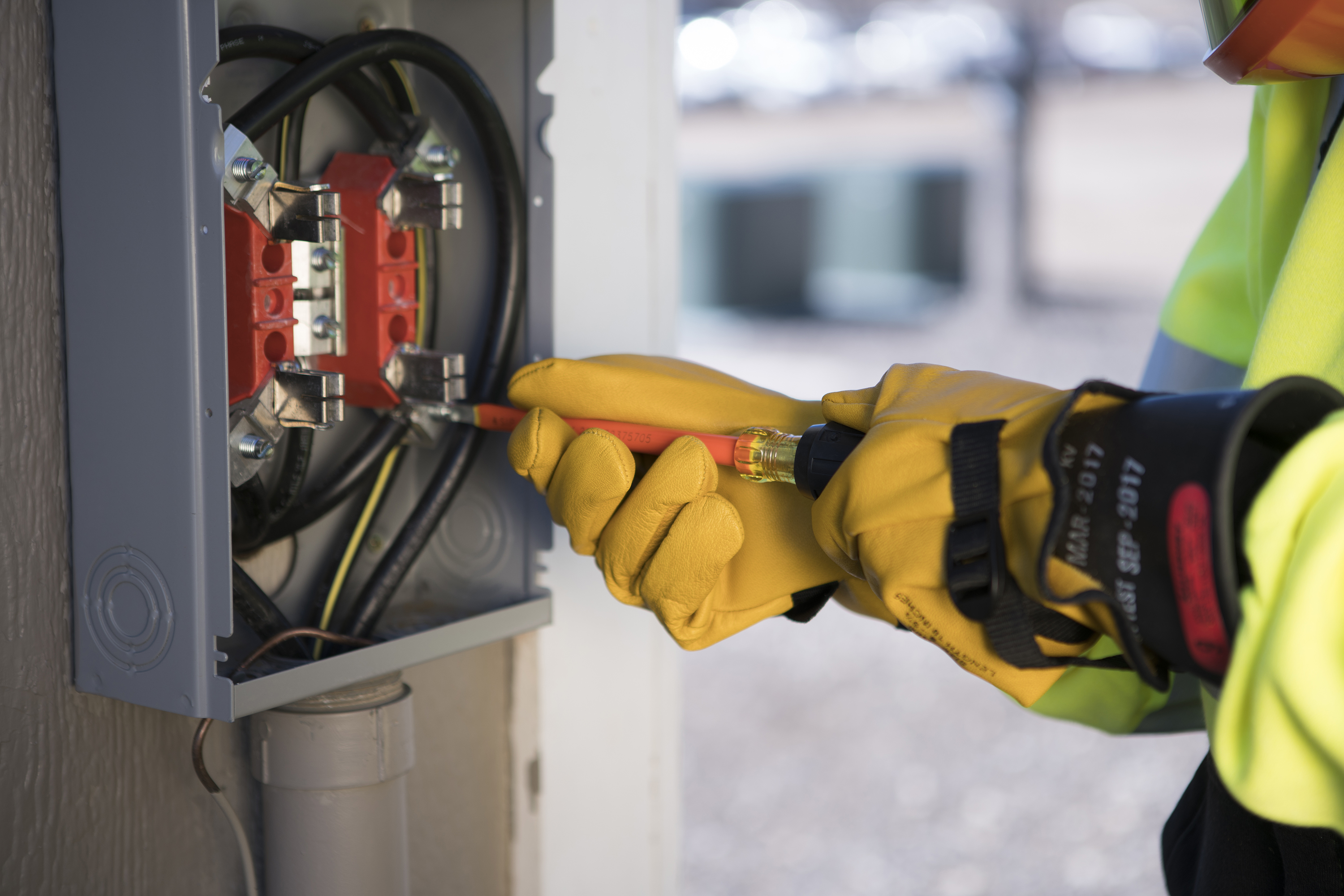
Electricity powers nearly every modern workplace, but it also remains one of the leading causes of serious workplace injuries and fatalities. During National Electrical Safety Month (NESM), employers and workers are encouraged to recognize electrical hazards and reinforce safe work practices on the job.
According to the Electrical Safety Foundation International (ESFI), 70% of workplace electrical fatalities between 2011–2024 occurred in non-electrical occupations—proving that electrical hazards can affect virtually any worker, not just electricians.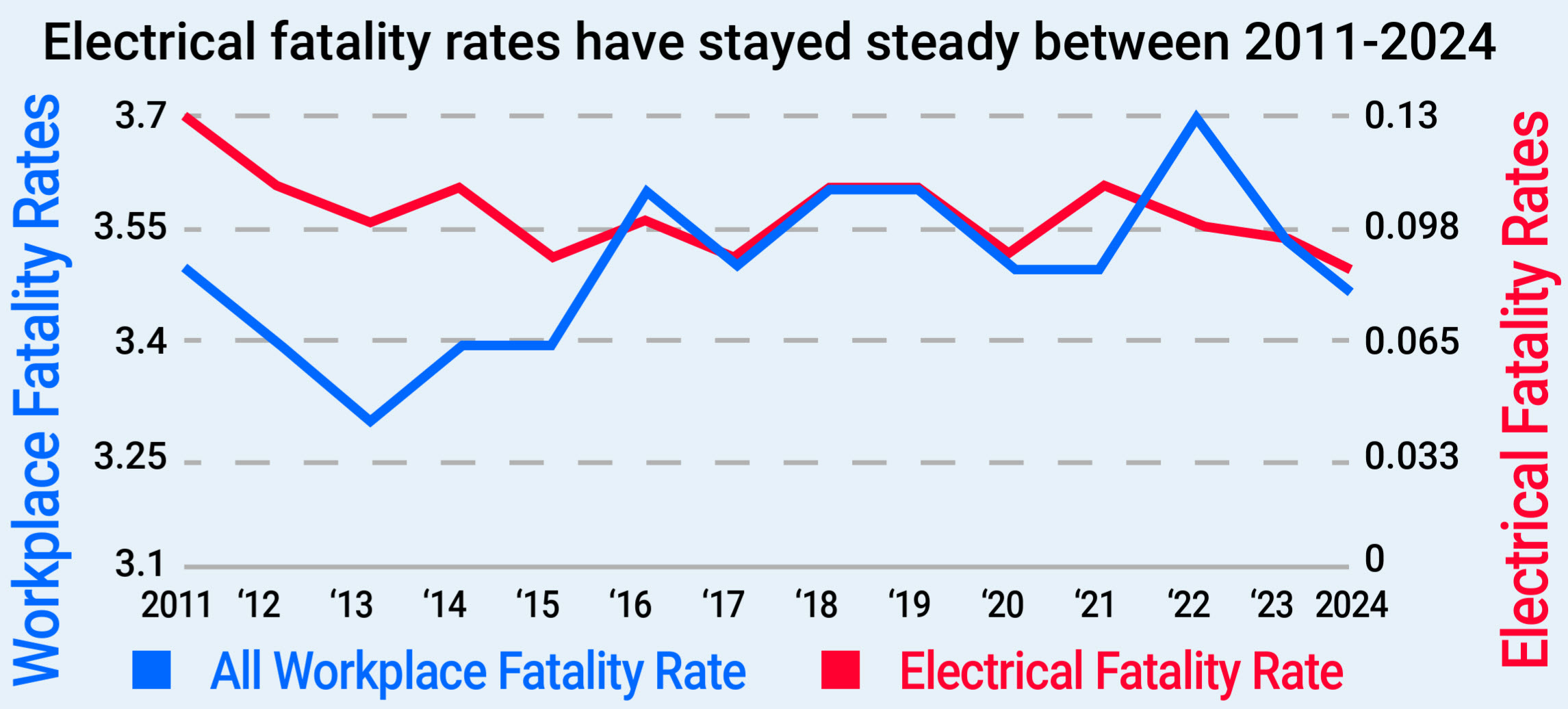
Common Workplace Electrical Hazards
Electrical hazards can often go unnoticed until an incident occurs. Some of the most common risks include:
- Faulty or damaged wiring
- Overloaded circuits and improper extension cord use
- Improper grounding
- Worn or damaged insulation
- Water exposure near energized equipment
- Improper PPE or unsafe handling practices
Key Electrical Safety Tips
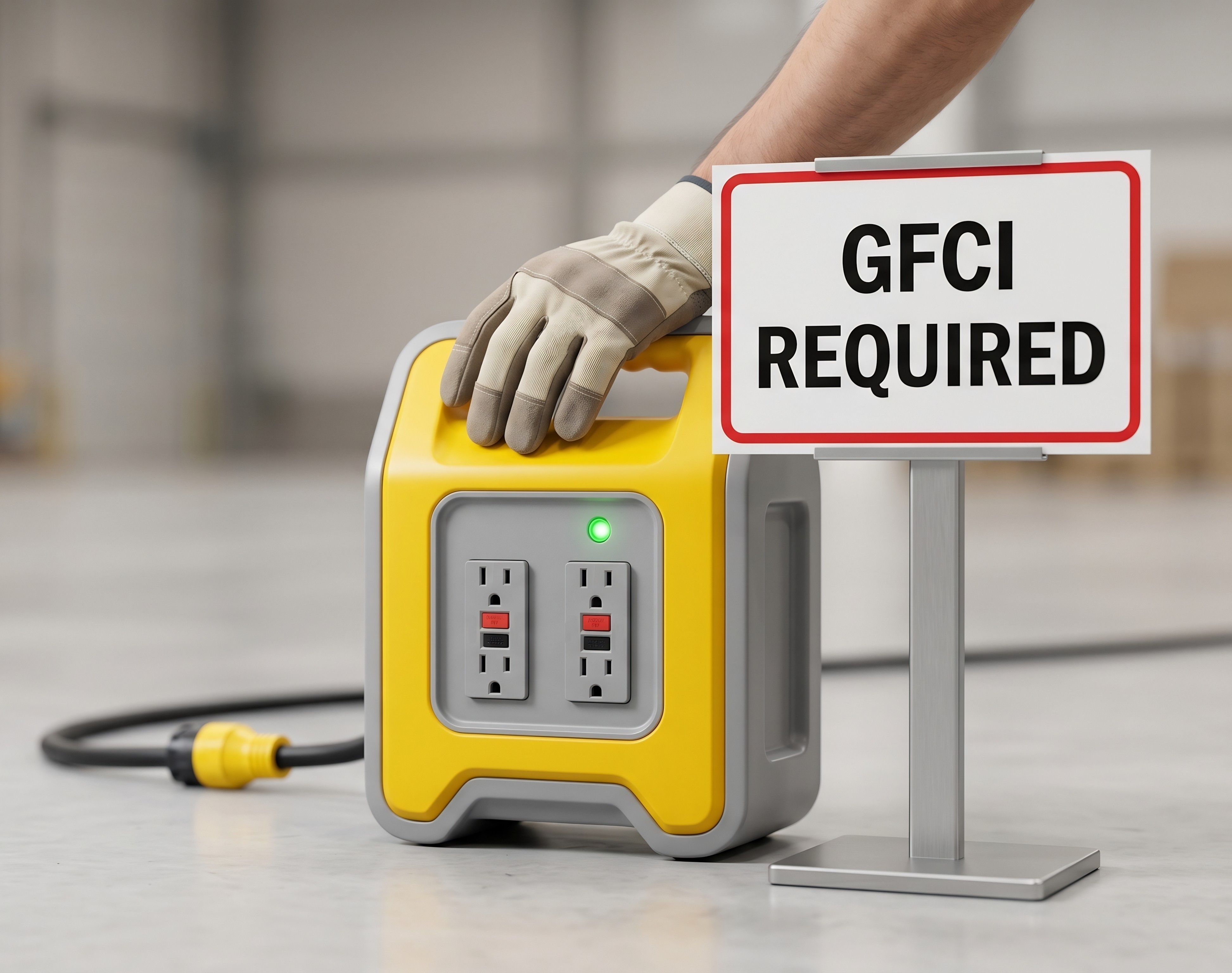
Use GFCI Protection
Ground Fault Circuit Interrupters (GFCIs) help protect workers from electrical shock and should be used anywhere temporary power or moisture may be present.
Inspect Cords and Equipment
Always inspect extension cords, tools, and power strips before use. Replace damaged cords immediately and avoid running cords through doorways or under carpets.
Keep Electricity Away from Water
Water greatly increases the risk of electrical shock. Never operate electrical equipment in wet conditions unless it is specifically rated for the environment.
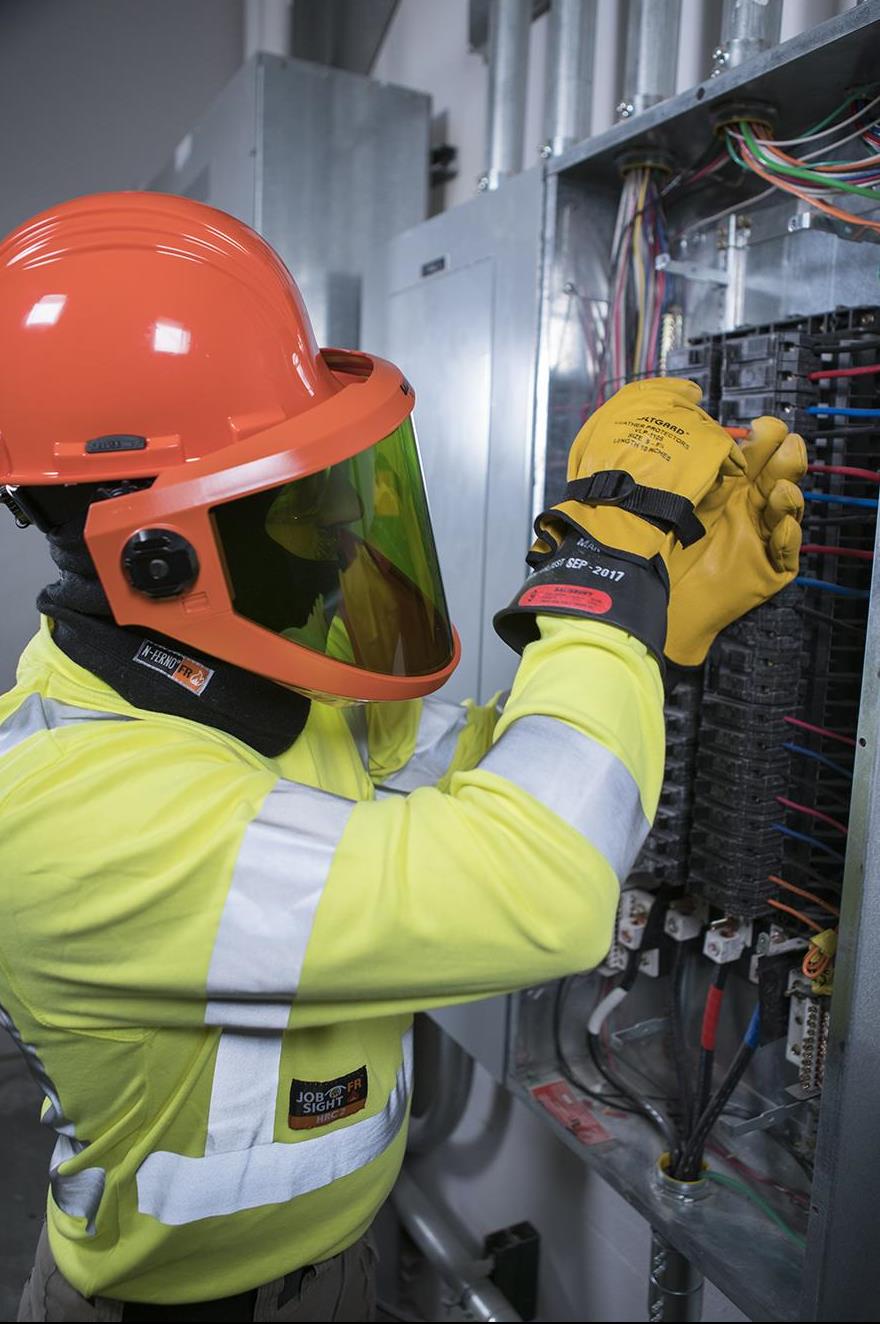 Wear the Proper PPE
Electrical PPE should match the hazards of the task being performed. Depending on the application, workers may require:
- Arc-rated clothing and face shields
- Rubber insulating gloves and sleeves
- Dielectric footwear
- Voltage detectors and insulated hand tools
Rubber insulating products should also be inspected before each use and stored properly to help prevent deterioration.
Verify Equipment is De-Energized
Never assume equipment is safe to work on. Follow proper lockout/tagout procedures and verify equipment has been de-energized before beginning work.
Prioritize Training and Communication
Regular electrical safety training and toolbox talks help workers identify hazards, reinforce safe work practices, and reduce risk on the jobsite.
Partner with Saf-T-Gard for Electrical Safety Solutions
Protecting workers from electrical hazards requires the right combination of training, expertise, and PPE. As a leading manufacturer, distributor, and tester of electrical safety products, Saf-T-Gard International, Inc. provides solutions designed to help keep workers safe in industrial and utility environments. For an overview of our electrical safety products, and to order for immediate shipment, please visit Electrical Safety.